
Can a photograph really be art?
Oct 10, 2026Can a photograph be a work of art?
Today, we take it almost for granted that photographs belong in art museums, galleries and major art collections. But this has not always been the case!
When photography was invented in the 19th century, it was primarily seen as a technological innovation, a way to document reality. It took decades before photography gained widespread recognition as an independent art form.
Interestingly, it was only in 2024 that Norway's National Museum opened a dedicated gallery for photography. And Norway's largest photography festival, Oslo Negativ, was established just five years ago, in 2021. This October, Oslo Negativ returns from 10 to 25 October, bringing photography into the spotlight.
To mark the occasion, The Art Trotter's cinema project, Art on Film (Kunst på Film), developed in collaboration with the Norwegian Film Institute and cinematheques across Norway, is dedicating its October screenings to photography.
We are presenting All the Beauty and the Bloodshed (2022), an award-winning documentary about Nan Goldin, one of the most influential photographers of our time, with screenings at Cinemateket in Trondheim on 14 and 18 October and at Cinemateket in Oslo on 18 October.
Interestingly, Goldin's work was also exhibited at the inaugural Oslo Negativ festival in 2021. A year later, the documentary premiered, winning the Golden Lion at the Venice Film Festival and subsequently receiving an Academy Award nomination for Best Documentary Feature.
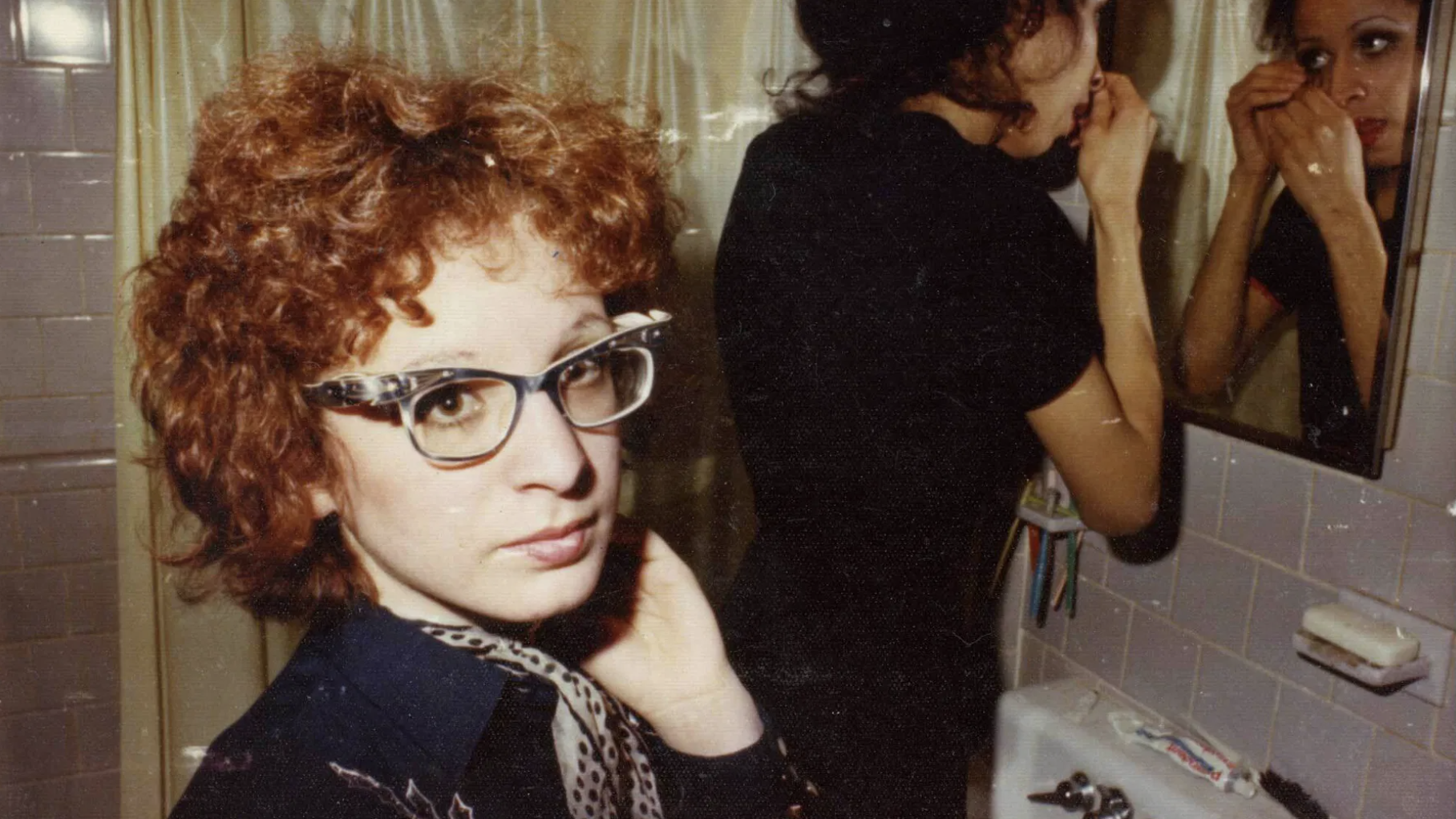
Nan Goldin and Bea Boston, 1970s featured in All the Beauty and the Bloodshed (2022) © Nan Goldin / NEON –
What Makes a Photograph a Work of Art?
A camera can capture what we see, but it is the photographer who decides what we should look at, how we should see it, and, most importantly, what we should feel.
Through the choice of subject, light, composition and timing, a photograph can convey emotions, tell stories, challenge our perceptions and make us see the world in an entirely new way.
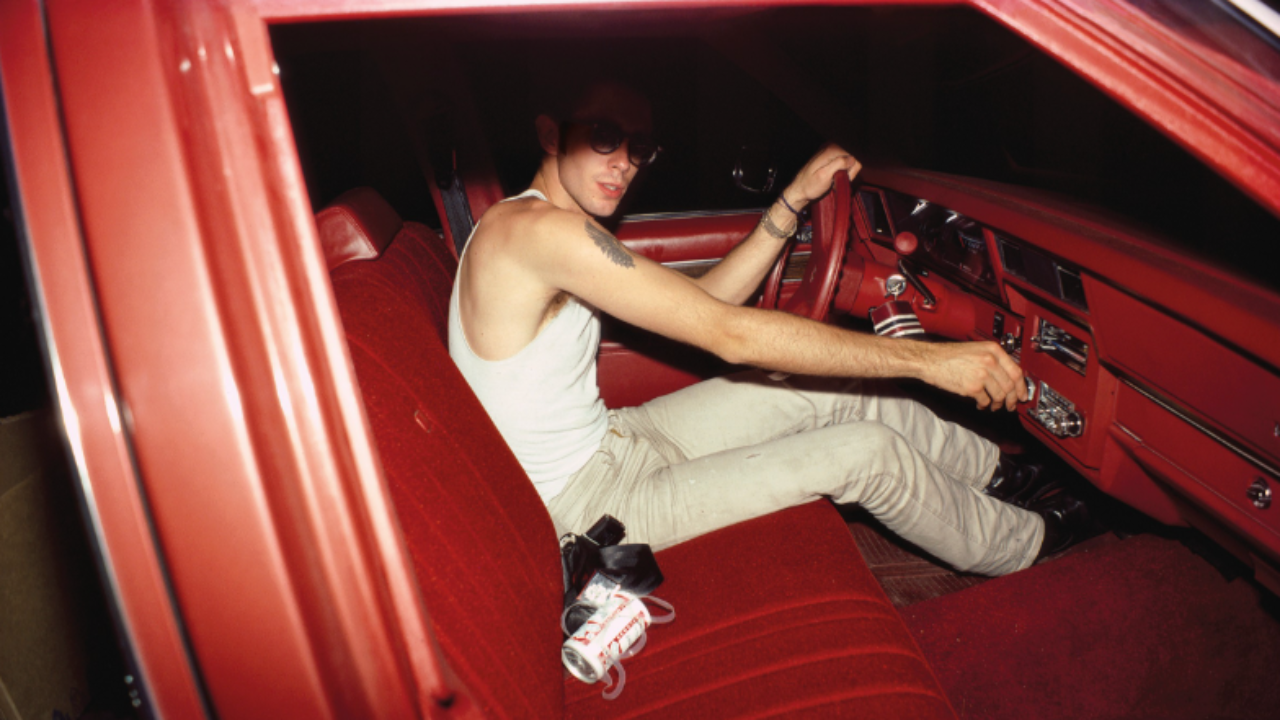
Nan Goldin is a fascinating example of this. She began photographing people around her in the 1970s. Her photographs were often blurred, taken with flash and lacked the technical perfection traditionally associated with fine-art photography. Yet these very qualities became an essential part of her distinctive artistic language.
And this is where much of photography's unique artistic power lies: An image does not need to be technically perfect to convey profound emotions, tell meaningful stories and move us long after the moment has passed.
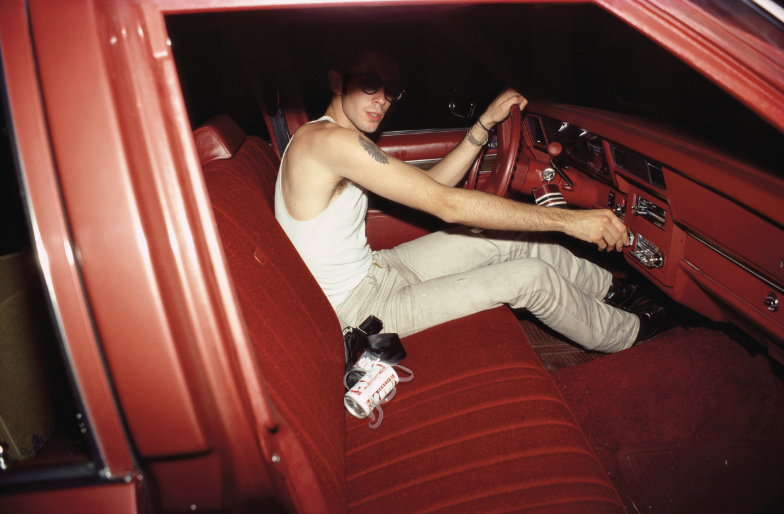
Mark in the red car, Lexington, Mass., 1979. © Nan Goldin / BONO
But photography can also become a powerful instrument for change. Goldin has used both her art and her position as an artist to challenge the pharmaceutical industry and the Sackler family, achieving significant victories.
Her extraordinary story is at the heart of All the Beauty and the Bloodshed, a documentary that also raises important questions about the relationship between art, money, power and the responsibilities of cultural institutions.
Whether you are joining us at the cinema or discovering photography through an exhibition, I hope this story inspires you to look at photographs with fresh eyes and explore the extraordinary possibilities of photography as an art form.
And if you have the opportunity to see the documentary on the big screen, do not miss it!
🎬 Love discovering art through film?
Explore our Ultimate Guide to Art in Movies, featuring handpicked films about artists, art history and the fascinating world of art, with personal recommendations and tips on where to watch them.
PS. See the film trailer and follow The Art Trotter on Instagram here
Sign up for our Art Letters
Join thousands of art lovers and receive essays, recommendations and art inspiration from us
By entering your name and email, you agree to receive emails from us with inspiration and tips about art and the art world. You can unsubscribe at any time by pressing Unsubscribe.